First of all, congratulations on completing the Get Into Reef Conservation (GIRC) programme! What’s your current job title and what sort of things do you get up to in your day-to-day?
“I’m currently working as a Reef Restoration Field Officer, and I also work part-time with Citizens of the Reef. My day-to-day work is hands-on and can be quite different depending on what we’re doing. I spend a lot of time out on the reef completing coral restoration activities, collecting and out planting coral fragments, reef monitoring, rapid monitoring, and recording data. I also help with maintaining equipment, preparing for field trips, and making sure everything is ready before we head out. Through my work with Citizens of the Reef, I also get to contribute to reef monitoring and community science initiatives, which has been another great opportunity to continue learning and making a difference. Every day is different, which is one of the things I really enjoy about the job, and it’s rewarding knowing that the work we’re doing is helping protect and restore the Great Barrier Reef.”
What did you enjoy most about the programme?
“The thing I enjoyed most was getting the opportunity to learn through real, hands-on experience. It wasn’t just sitting in a classroom. We were out on the reef, learning from people who work in the industry every day. I also really enjoyed meeting new people and building friendships with everyone in the programme. We all supported each other, learnt together, and celebrated each other’s achievements. The mentors were also incredible. They were always happy to share their knowledge, answer questions, and encourage us to keep improving. It made the whole experience enjoyable and helped build my confidence.”
Get Into Reef Conservation 2026
Are there any technical skills you learnt during the programme that you use in your current role?
“The programme gave me a really strong foundation that I now use every day. I learnt reef monitoring techniques, coral identification, coral fragmentation, data collection, and how to follow scientific monitoring methods accurately. I also gained experience working safely on boats and in the water, using different field equipment, and understanding how important accurate data is for reef restoration projects. Because the traineeship was so hands-on, stepping into my current role felt much easier because I was already familiar with many of the skills and processes. The programme also inspired me to continue developing my diving qualifications. I’m currently completing my Divemaster training, which is another important step in my career. My goal is to continue building my experience and qualifications so I can keep growing with Reef Cooperative and take on even more opportunities in reef conservation.”
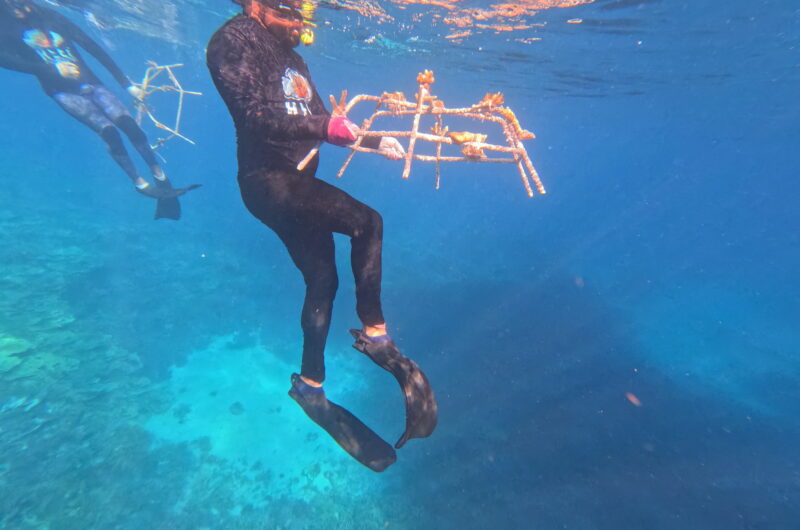
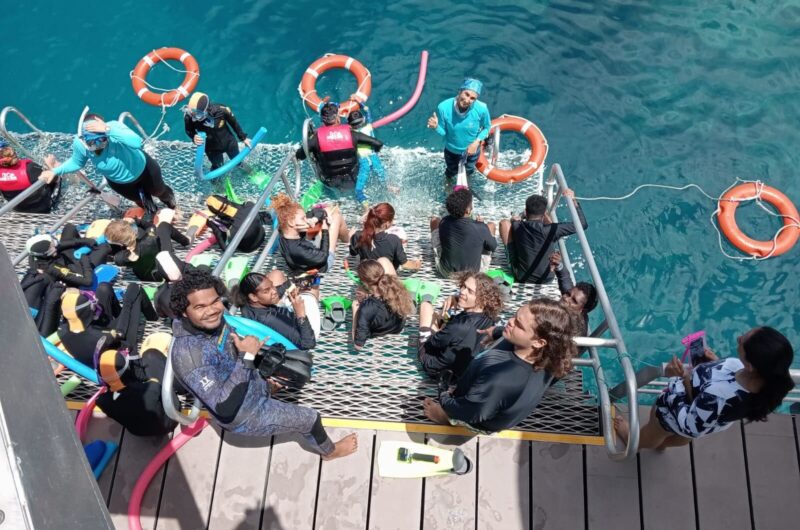
GIRC participants using reef stars to plant coral.
What about soft skills you took away from the programme that you use in your current role?
“I’d say teamwork and communication are probably the most important skills I took away from the programme. Working on the reef means everyone has to communicate clearly, support each other, and work together to get the job done safely and efficiently. The traineeship also helped me build confidence, become more adaptable, and improve my problem-solving skills. Those are things I use every single day, whether I’m working with my team in the field or communicating with different organisations and project partners. Learning to ask questions, listen, and continue learning has also been really valuable.
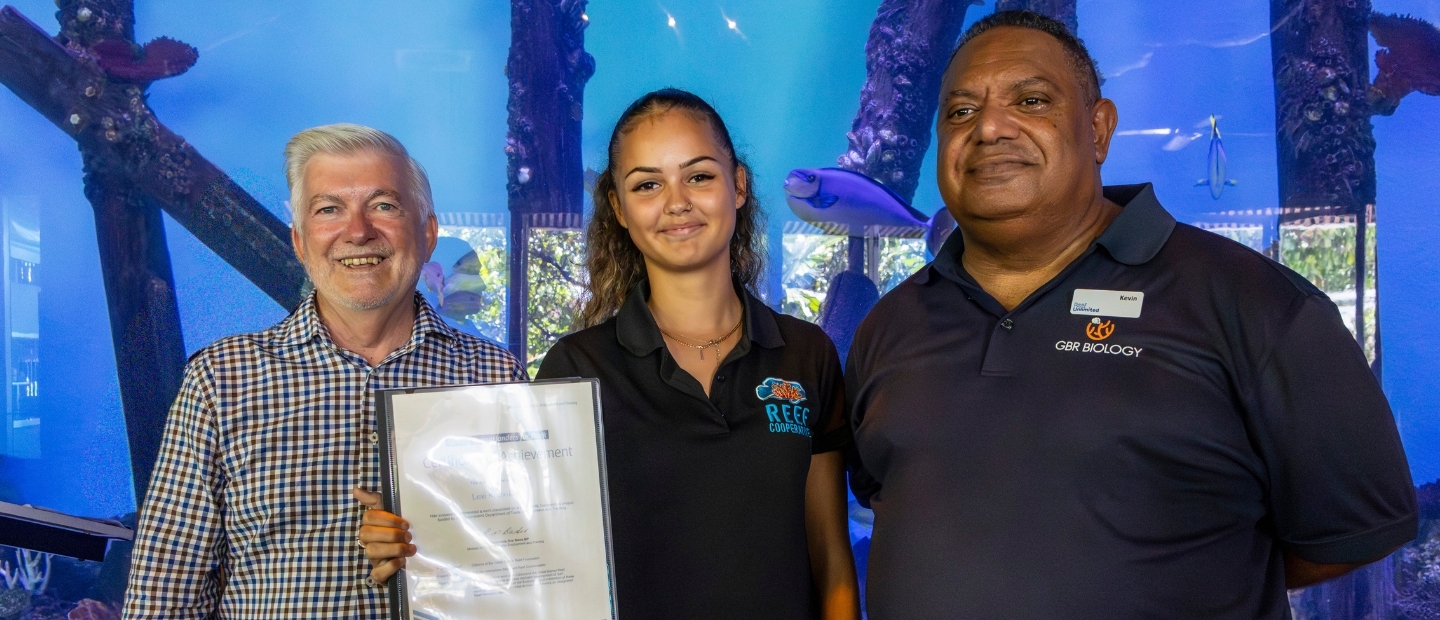
The programme gave me opportunities I never thought I’d have, helped me build lifelong friendships, and gave me the confidence to pursue a career in reef conservation. It also opened doors that I never expected, including being nominated for the Bob Marsh Awards and now becoming one of the finalists, which is something I’m incredibly proud of. That recognition has shown me just how much I’ve grown since starting the traineeship.”
What advice would you give to other young First Nations Peoples who are interested in the programme, but may be on the fence about signing up?
“My advice for young First Nations would be: if you’re passionate about looking after Country, the ocean, or just want to try something new, don’t let self-doubt stop you. I know it can feel a bit intimidating, especially if you’re not sure whether you’ve got enough experience, but that’s exactly what the programme is there for: to teach you and help you grow. You’ll be supported every step of the way by people who genuinely want to see you succeed. Put yourself out there, ask questions, take every opportunity that’s offered to you, and enjoy the experience. You never know where it might lead. It could completely change your future, just like it did for me.”